Bricks Breaker. Gravity Balls
Loading Bricks Breaker. Gravity Balls...
Please wait while the game loads
What is Bricks Breaker. Gravity Balls?
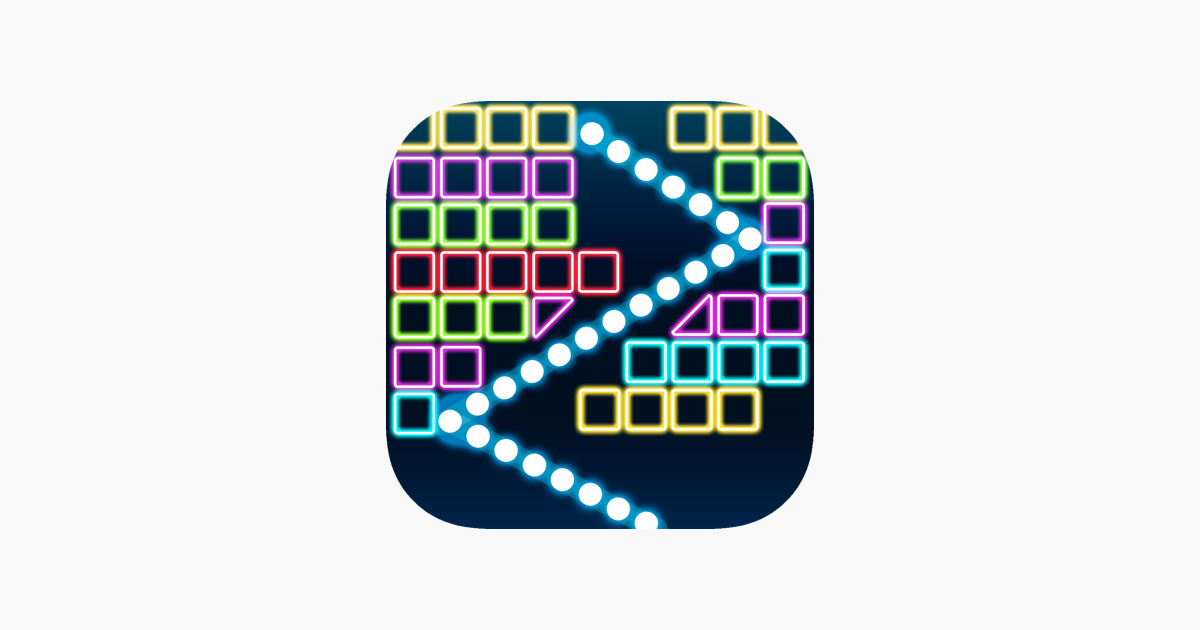
Bricks Breaker. Gravity Balls is a free browser-based puzzle-arcade game where you aim from the bottom of the screen and fire a whole volley of balls into a field of numbered bricks, watching them ricochet through the layout before falling back to you for the next shot. There is no paddle — every ball comes home on its own, so the only decision you make is the launch angle.
That single decision carries enormous weight. Fired straight up, a volley hits two or three bricks and returns. Threaded into a narrow gap between brick columns, the same volley rattles between the walls of that corridor and strikes a dozen bricks going up and a dozen more coming down. Gravity Balls is built around finding those corridors, and the gap between a wasted turn and a level-breaking one is often two degrees of aim.
The physics is what makes Gravity Balls click. Every ball obeys the same predictable rebound rules, so within a few levels you stop firing hopefully and start reading the board like a bank-shot table, seeing where a ball lands two and three deflections ahead. Special balls and power-ups sit inside the layouts waiting to be collected, growing your volley and changing what a single shot can achieve. And since the bricks step one row closer every turn, each shot is also a clock.
Levels keep introducing fresh brick patterns and new hurdles rather than simply raising numbers, so the puzzle stays alive well past where a pure reflex game would run dry. Bricks Breaker. Gravity Balls adapts to both landscape and portrait screens, loads instantly with no download or account, and works as a two-minute break or a long patient session of working out where the next volley should go.
How to play Bricks Breaker. Gravity Balls
- 01
Aim from the baseline
Your ball stack sits at the bottom of the field. Drag to set the launch angle and a guide line traces the opening path — this is your only influence over the volley, so take it seriously.
- 02
Fire the volley
Release to send every ball along that line in sequence. The stream follows one path, so a good angle is applied dozens of times over and a bad one is wasted dozens of times over.
- 03
Watch the ricochet
Balls bounce off side walls, ceiling and brick faces until gravity returns them to the baseline. A shot into open space ends quickly; a shot into a corridor keeps working.
- 04
Read the brick numbers
Each brick shows how many more hits it needs. A five needs five contacts, so plan repeat visits to tough bricks instead of expecting one pass to clear them.
- 05
Pick up the extras
Special balls and power-ups sit among the bricks and are collected on contact. Each one makes later volleys bigger, so routing your aim through them often beats the bricks you skip.
- 06
Clear before the field arrives
The bricks step down one row after every shot. Clear the layout before the front row reaches the baseline, and keep the bottom rows thin so you are never trapped with no angles left.
Controls
On desktop, click and hold anywhere in the play field, drag to swing the aim line to the angle you want, and release to fire. On mobile, press and drag with one finger and lift to launch — dragging further from the launch point gives finer angular control than a short flick. Bricks Breaker. Gravity Balls adapts to both landscape and portrait screens, so the same one-handed input works on a phone held either way, and nothing needs configuring before your first shot.
Objective
Destroy every brick before the descending field reaches your baseline. Each brick shows the hits it still needs, so clearing a level is a matter of budgeting contacts rather than simply covering ground. Good play means choosing angles that keep balls inside the brick field as long as possible and keeping the lowest rows clear, because a surviving bottom row is what eventually ends the run.
Game modes & features
Bricks Breaker. Gravity Balls runs as a level-progression puzzle with physics-driven bounces, numbered bricks, and a field that advances every turn. Power-ups and special balls appear within the layouts and are collected by contact, growing your volley or altering how it behaves. Each level introduces new brick patterns and fresh hurdles rather than simply scaling difficulty, and because it adapts to any orientation it plays the same on a monitor as on a phone.
Why play Bricks Breaker. Gravity Balls?
Reach for this one when you want a brick breaker that rewards thinking over twitch. With no paddle to defend, nothing punishes a slow decision — study the field as long as you like before committing to an angle, and the satisfaction comes from a shot you planned rather than one you reacted to. That makes Gravity Balls unusually good in short bursts, since a run pauses cleanly between shots, while still leaving a real ceiling for players who read bounce paths several deflections deep.
Bricks Breaker. Gravity Balls tips
Aim into gaps, not at faces
A volley fired at the flat front of the wall rebounds immediately and wastes most of its balls. Threaded into a narrow gap between columns, the same volley rattles inside that corridor and lands several times as many hits.
Hit the bottom row first
The lowest bricks are what end your run when the field steps down. Clearing them buys turns and opens the space that lets later volleys travel deep instead of stopping at the front edge.
Bank off the side walls
A shot angled into a side wall enters the brick field diagonally, from an approach no upward shot can produce. Use the walls whenever bricks are stacked directly above your launch point.
Collect the extras deliberately
Special balls are worth routing your aim line through even when the brick payoff along that line is poor. A larger volley multiplies the value of every shot afterwards, so gathering them early compounds.
Cut a column to the ceiling
Concentrate volleys on one vertical strip until the channel opens right through the field. Balls that travel above the bricks bounce along the ceiling and drop back down through the layout, hitting the board twice from a single shot.
Aim shallow, not steep
A near-vertical shot leaves the field almost at once. A shallow angle keeps balls travelling sideways across the layout far longer, and time inside the brick field is the only currency that matters in Gravity Balls.
Count before you commit
Add up the hits still required along your intended path and compare it with your volley size. If that path cannot finish anything, a worse-looking angle that actually breaks two bricks is the better shot.
Leave a corridor open on purpose
Resist flattening the front of the wall evenly. A deliberate gap between two clusters gives you a repeatable high-value channel to fire into on later turns, and preserving it is often worth skipping easy bricks.
What makes Bricks Breaker. Gravity Balls special
What makes Bricks Breaker. Gravity Balls hold up is that the physics is honest. Balls bounce the same way every time, so a failed shot teaches you something instead of feeling arbitrary, and within a handful of levels you are predicting two and three deflections ahead. That predictability is the whole basis of the game — it turns aiming from a guess into a calculation, which is why a well-read angle feels earned rather than lucky.
The absence of a paddle is a bigger design decision than it first appears. With nothing to defend there is no time pressure inside a turn, so Gravity Balls becomes a puzzle you can sit with rather than a reaction test, and the descending brick field supplies tension across turns instead of within them. The result suits a distracted five minutes as well as an hour of concentration, because you can stop between any two shots without losing anything.
It also makes a useful contrast with the paddle half of the genre. If you have played the classic Brick Breaker on our home page, or Block Breaker and Block Breaker Game, Gravity Balls will feel like the same wall approached from the opposite direction — no defence, all offence. Face Breaker and Brick Blaze sit on the paddle side of that divide, and playing both styles sharpens the skill they share: reading how a ball will travel before you send it.
Bricks Breaker. Gravity Balls features
Aim-once volleys
One angle sends your whole stack of balls along the same path, so a few degrees decide the turn.
Numbered bricks
Every brick displays the hits it still needs, turning each shot into a budgeting problem.
Physics-driven bounces
Consistent rebound rules let you plan two and three deflections ahead instead of firing hopefully.
Descending brick field
The layout steps a row closer after every shot, applying pressure across turns rather than within them.
Special balls & power-ups
Extras sit inside the layouts and are collected on contact, compounding the value of every later shot.
Any orientation
Adapts to landscape and portrait alike, so one-handed aim-and-release works on desktop and phone.
Bricks Breaker. Gravity Balls FAQ
QWhen was Bricks Breaker. Gravity Balls released?
Bricks Breaker. Gravity Balls was published to the GamePix catalogue in 2024. The ball-launcher style it uses is a mobile-era offshoot of a much older genre — Atari released the original paddle-based Breakout back in 1976.
QHow do you play Bricks Breaker. Gravity Balls?
Drag from the baseline to set an aim angle, then release to fire your whole volley into the brick field. The balls ricochet off walls and bricks and return on their own, and you clear every brick before the descending field reaches the bottom of the screen.
QWhat do the numbers on the bricks mean?
Each number is the count of hits that brick still needs before it breaks. A brick showing five must be struck five more times, so a heavy cluster is best attacked with a shot that keeps balls bouncing inside it rather than one that passes through once.
QWhat are the power-ups in Bricks Breaker. Gravity Balls?
Special balls and power-ups appear among the bricks and are picked up by touching them with a shot. They increase your volley size or change how it behaves, which is why routing an aim line through one often beats the bricks you give up to reach it.
QIs Bricks Breaker. Gravity Balls endless?
No. Gravity Balls runs as a progression of levels, each with its own brick pattern and fresh hurdles, and a run ends when the descending field reaches your baseline. Escalation comes from new layouts rather than one infinitely scaling board.
QDoes Bricks Breaker. Gravity Balls have a paddle?
No, and that is the defining difference from classic breakout. Nothing needs defending and no ball needs catching — every ball returns to the baseline automatically once it stops bouncing. Your only input each turn is the launch angle, making it a puzzle rather than a reflex test.
QIs Bricks Breaker. Gravity Balls the same as Breakout or Arkanoid?
No. It shares their brick wall but not their paddle. Breakout established the paddle-and-ball formula in 1976 and Arkanoid added power-up capsules and the Vaus craft in 1986, while Gravity Balls belongs to the later ball-launcher branch where you fire volleys instead of steering one ball.
QWhat games are similar to Bricks Breaker. Gravity Balls?
Crazy Balls uses the same aim-and-launch mechanic against numbered shapes. On the paddle side, the classic Brick Breaker on our home page, Block Breaker and Block Breaker Game cover the traditional formula, with Face Breaker and Brick Blaze as further variants in our arcade collection.
Ready to play Bricks Breaker. Gravity Balls?
Line up your angle, launch the volley, and bring the wall down in Bricks Breaker. Gravity Balls right now — free, in your browser, no download.
Play Bricks Breaker. Gravity Balls — It's Free